








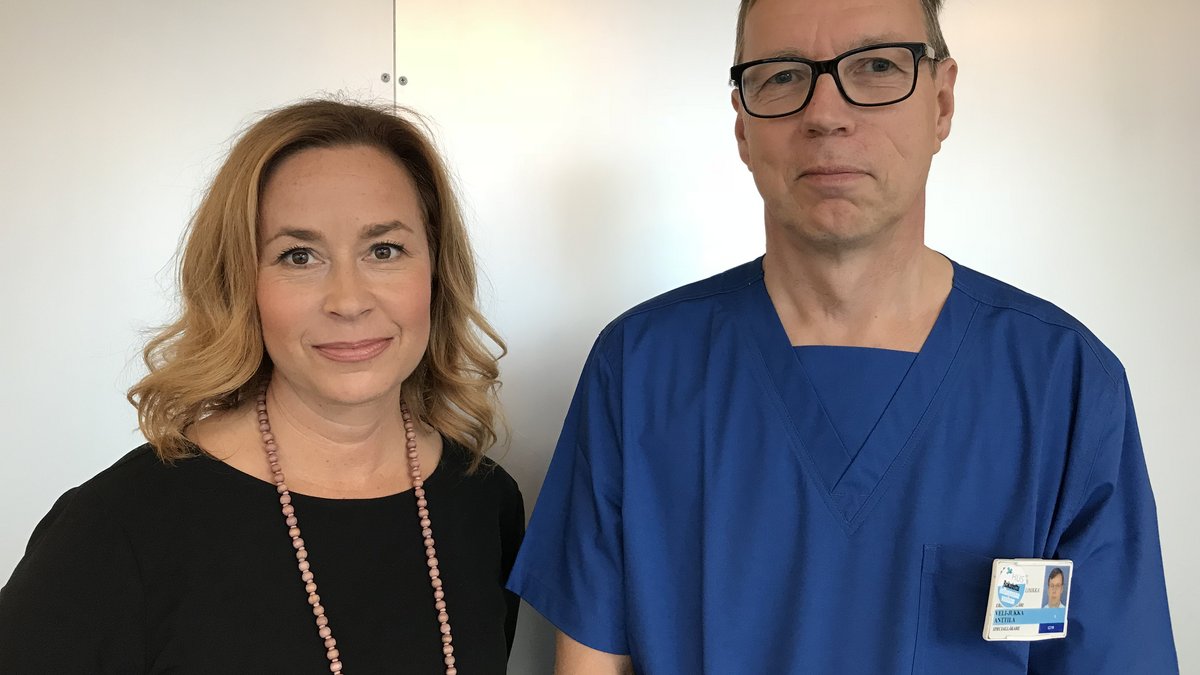
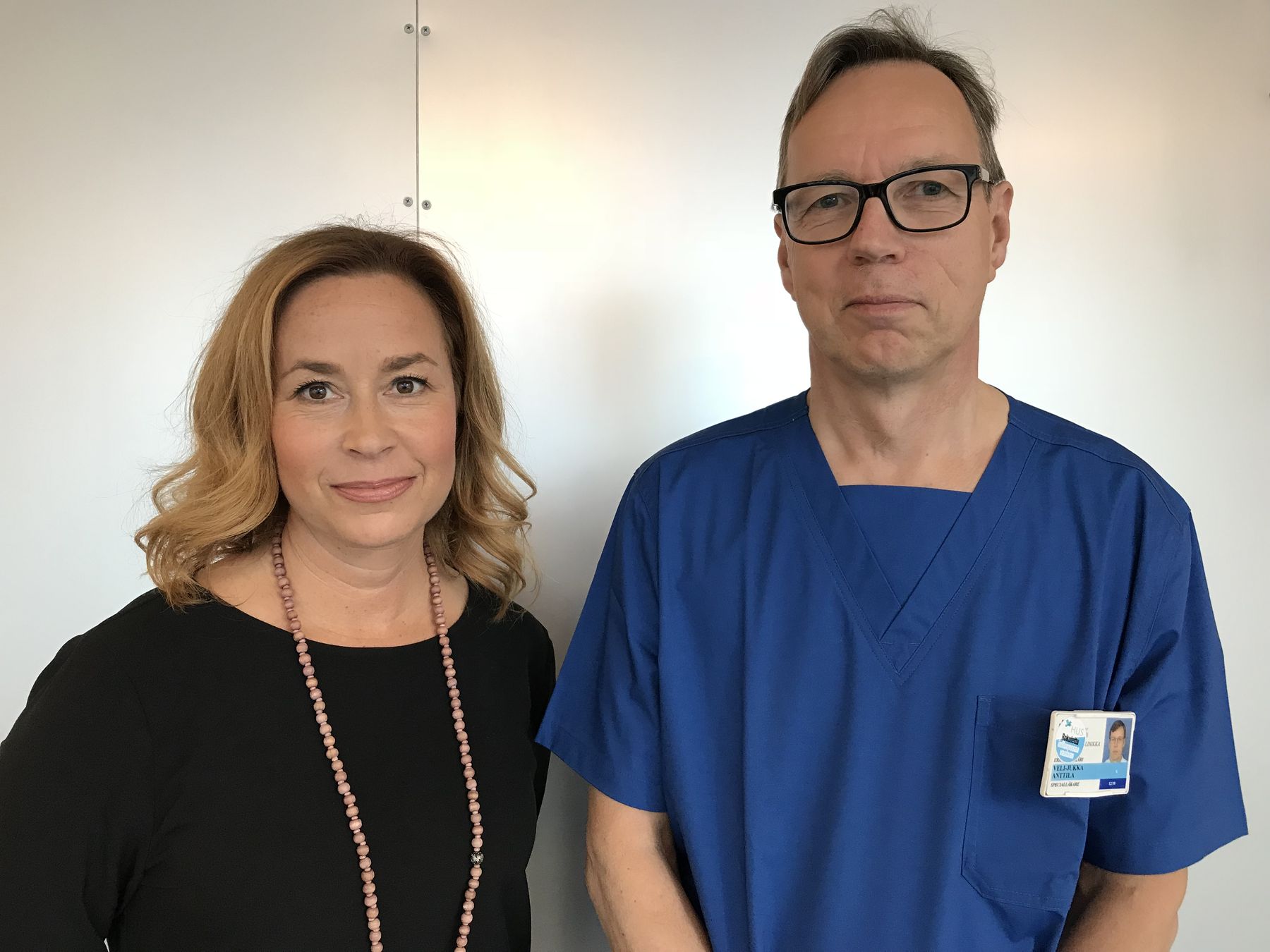
We have collaborated with a true top expert in the field, Veli-Jukka Anttila, a long-time infectious disease specialist at HUS. I have great respect for the preventative work he and his colleagues do in infection control. I decided to ask him a few questions and received answers that are likely worth knowing for every Finn.
Every pneumonia, urinary tract infection, sepsis, or case of diarrhea resulting from neglected infection control is unnecessary.
What is the level of hospital hygiene in Finland?
"We are at a good European level. About ten percent of patients in university hospitals develop some form of healthcare-associated infection. In Finland, about 750 people die every year from a hospital-acquired infection. Some of these deaths could be prevented. The Nordic countries and the Netherlands are leaders in infection control. The Netherlands is a small country, but their resources are on a completely different scale than in Finland," Anttila says.
How are infections and their numbers tracked?
The new Communicable Diseases Act obliges social and healthcare institutions to track infections. However, we have a lot to learn when it comes to transparency. In the United States, every hospital publishes its infection statistics online. In addition to transparency, I would wish for more innovation. We have good ideas, but international contacts are also important for developing them.
We don't have exact figures for the current situation, but in 2002, it was estimated that infections cause 200–500 million euros in costs annually. Indifference in infection control becomes expensive, as a ward may have to be closed and planned surgery interrupted. Surgical operations are highly processed, meaning operating time is sold in advance and bed time is calculated precisely. When a refined process falters due to increased infections, costs rise.
The design of institutions and hospitals is at the heart of everything. Private hospital rooms prevent the spread of infections. They spread easily in overly cramped spaces and shared toilets and shower facilities. Deficient processes in hospitals and insufficient personnel resources also increase the risk of infection. The later a patient in need of care gets to the hospital, the more difficult the situation. For example, in delayed surgeries, infection risks increase.
The placement and use of hand sanitizers are also important. They should always be close to the patient so that staff also remember to use them. People nowadays understand the significance of hand hygiene. A lot of work is being done on this, but the situation is not yet good enough. People's awareness of infection risks always rises during pandemics because the media reports on them. Our daily work, of course, does not make the news. However, that is exactly what creates the foundation for infection control.
Hospital hygiene is not just a job for the hygiene nurse — the responsibility belongs to everyone
Infection control is the responsibility of everyone working in the hospital. We infectious disease specialists, hygiene nurses, and microbiologists working in the laboratory have a responsibility to organize training for the staff.
"I personally have fewer direct patient contacts, but as a consulting infectious disease specialist, I encounter infection problems in individual patients. I am in daily cooperation with doctors from many different specialties, and we discuss a lot about solving and treating patients' infection problems," Anttila says about his work.
Attitudes toward hospital hygiene change slowly — cooperation is key in epidemic situations
Attitudes change slowly. Fortunately, nowadays nobody thinks that it doesn't concern them. Surgeons invest a lot in their patients' care. They understand that if a patient develops a difficult infection, their work effort may have been in vain. In such cases, even a top expert's efforts can go to waste.
If there is a suspected increase in infections among patients in a ward, it must be addressed quickly. It is important to involve the entire staff, from the manager to the ward maintenance worker, in planning control measures. In epidemic situations, the cleaning of the environment, including laundry service, is crucial. The work effort of facility services staff is decisive for stopping an epidemic.
The role of workwear and patient clothing in infection control